Safeguarding Your Sight: Solar Eclipse Safety Advice
As communities across the UK look forward to catching a glimpse of the upcoming solar eclipse, we are urging everyone to take proper precautions to protect their vision.
The astronomical event is set to take place on the evening of Wednesday 12 August. While regions further west may experience slightly different coverage, residents across East Sussex will be keeping a close eye on the skies as the phenomenon unfolds.
Although this rare celestial event is a thrilling occasion for stargazers and families alike, looking at the sun without proper safeguards can result in severe, long-term damage.
To help local residents enjoy the event securely, our Managing Director, Jeremy Heynes, FBDO, shares vital guidance on the hidden risks, necessary precautions, and common misconceptions surrounding solar viewing.
Is it safe to view the solar eclipse with the naked eye?
"Absolutely not. Even when a significant portion of the sun is obscured, it remains entirely unsafe to gaze directly at it without specialised protection during a partial eclipse. Doing so exposes the retina to intense solar radiation, which can cause irreversible damage and potentially permanent sight loss."
What are the safest ways to observe the eclipse?
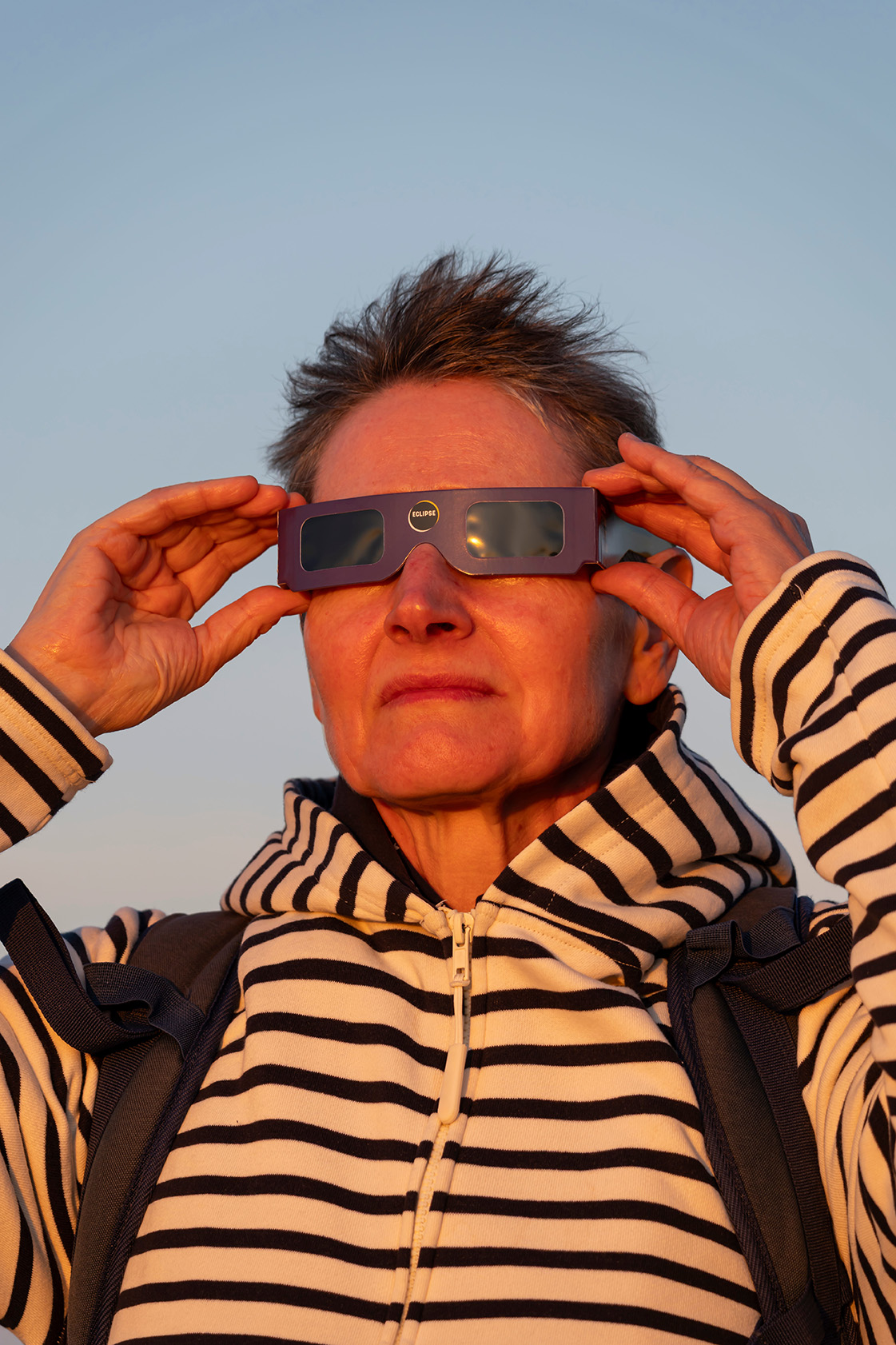
"There are several reliable methods to experience the event safely. The most direct way is by using certified solar eclipse glasses that strictly adhere to the international ISO 12312-2 safety standard. Alternatively, if you prefer to stay indoors, watching a live broadcast from the comfort of your living room is a completely risk-free option.
"For photography enthusiasts hoping to capture the moment, it is essential to equip cameras with dedicated solar filters. The same rule applies to anyone planning to use binoculars or a telescope - proper solar filtration must be securely fitted before viewing."
"Above all, never allow anyone to look skyward without approved, certified eye protection. Parents and guardians should exercise particular vigilance if children are participating"
- Jeremy Heynes FBDO
Will ordinary sunglasses provide enough protection?
"No. Standard sunglasses - regardless of how dark their tint might be - are entirely inadequate for blocking the harmful rays associated with a solar eclipse. Only certified eclipse viewers or designated solar filter glasses are engineered to offer adequate protection."
What key safety steps should families keep in mind?
"Above all, never allow anyone to look skyward without approved, certified eye protection. Parents and guardians should exercise particular vigilance if children are participating, ensuring they are closely monitored throughout the event.
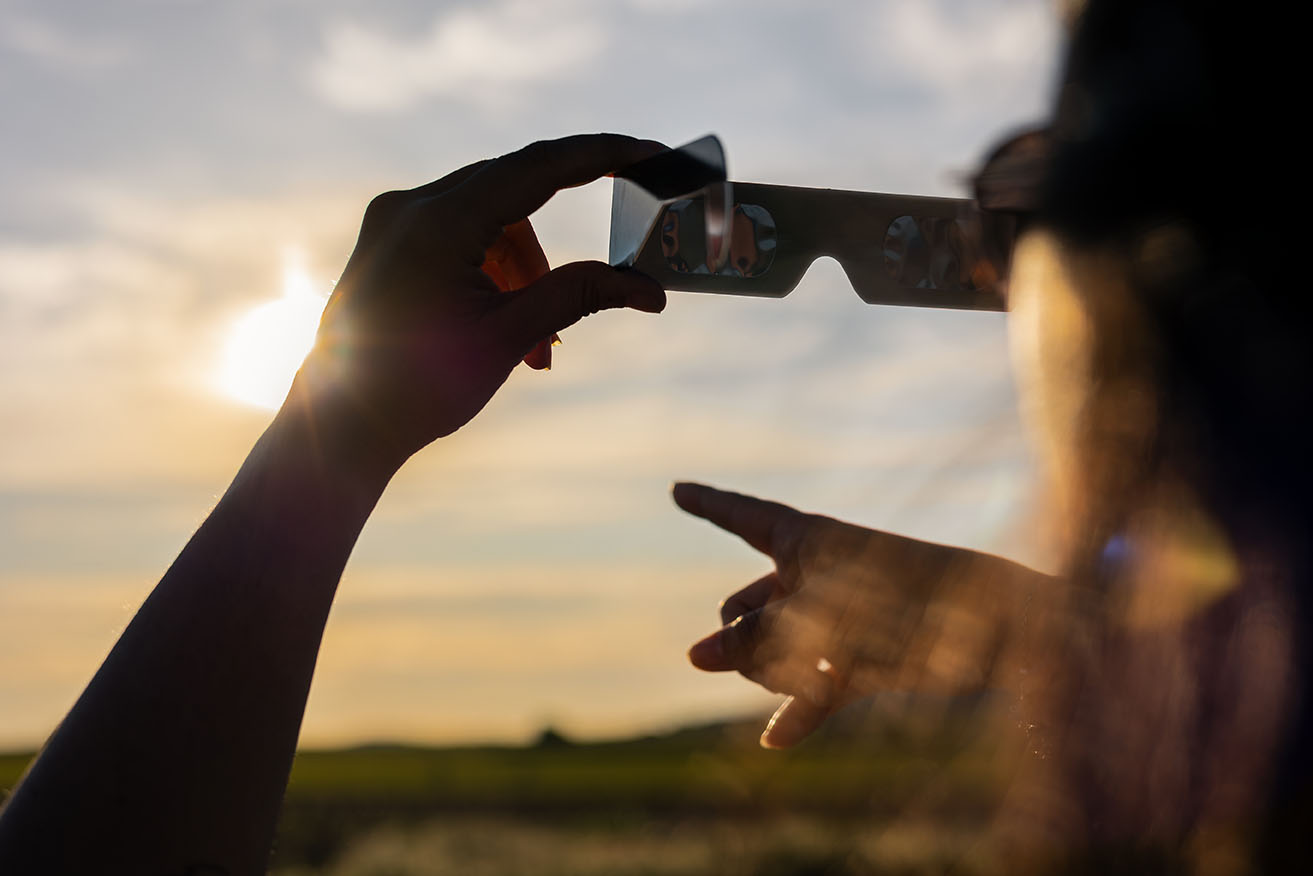
"If you have purchased specialised eclipse viewers, always inspect them thoroughly prior to use. Check for any punctures, tears, or scratches; even a microscopic flaw in the material can compromise your protection and put your vision at risk."